

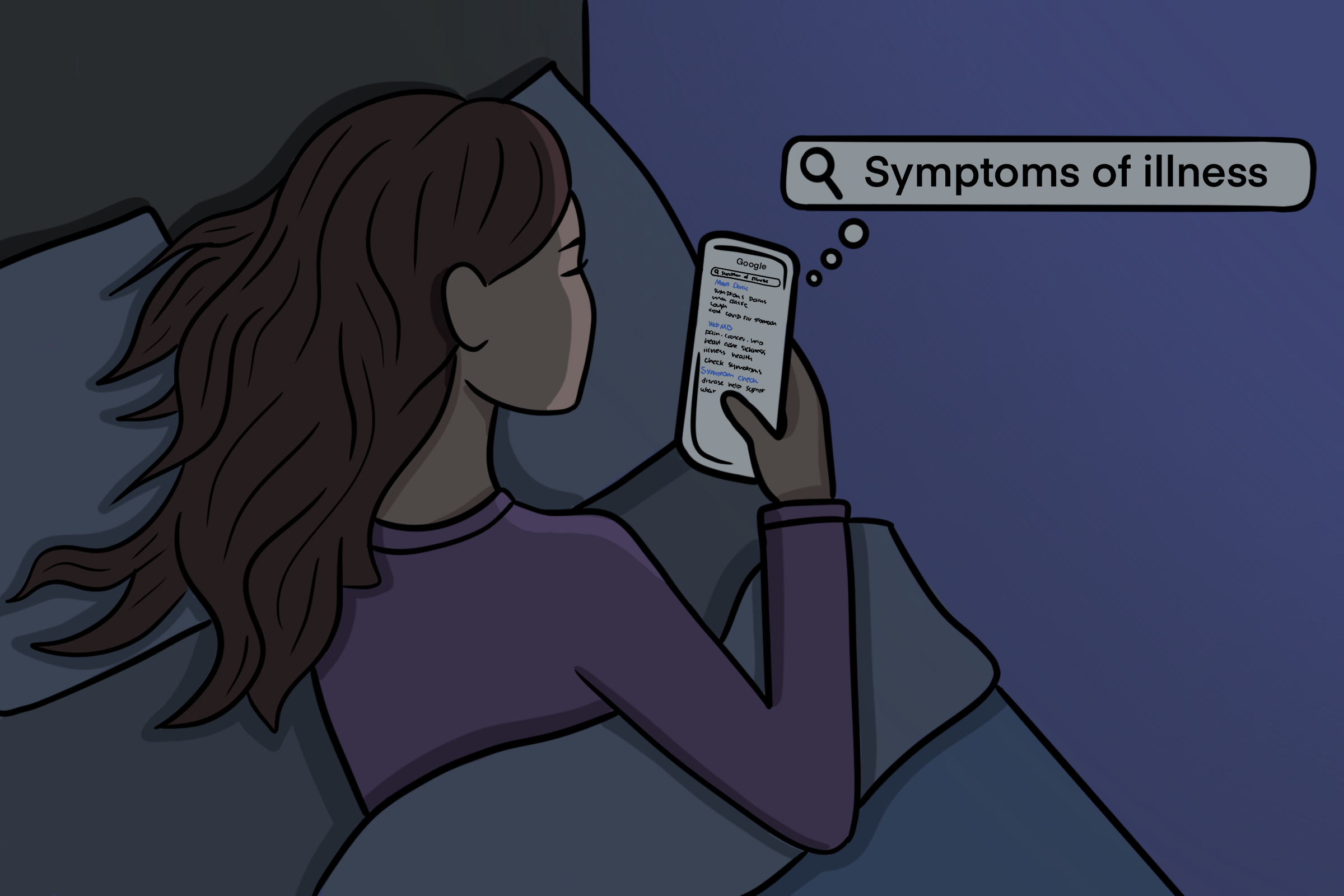
Why Self-Diagnosis Can Be Misleading
With the rapid availability of online information, individuals today have unprecedented access to medical knowledge. Symptoms can be searched instantly, conditions can be compared within minutes, and possible explanations for discomfort are often just a few clicks away. While this accessibility creates a sense of control and awareness, it also introduces a significant challenge: the tendency to self-diagnose based on incomplete, generalized, or misinterpreted information. What appears to be a helpful starting point can quickly become a source of confusion, anxiety, and inaccurate conclusions.
CaseMedicalServices recognizes that information alone does not guarantee understanding. The process of diagnosis involves structured evaluation, contextual analysis, and professional judgment—elements that cannot be replicated through isolated online searches. Without proper interpretation, even accurate information can lead to incorrect assumptions, making it essential to approach self-diagnosis with caution and awareness.
The Illusion of Clarity
Online platforms often present medical information in simplified formats, listing symptoms alongside possible conditions. While this format is easy to read, it can create an illusion of clarity where users believe they can identify their condition based on a checklist. However, many symptoms overlap across multiple conditions, and without clinical context, it becomes difficult to distinguish between them.
This overlap can lead individuals to match their symptoms with serious conditions prematurely, even when the actual cause may be minor or temporary. The absence of contextual evaluation makes it easy to draw conclusions that feel accurate but lack medical validity.

Information without context does not create clarity—it often creates confusion.
Ignoring Individual Context
One of the major limitations of self-diagnosis is the inability to account for individual differences. Factors such as medical history, lifestyle, environment, and ongoing conditions play a crucial role in interpreting symptoms. Generic information found online does not consider these variables, making it unsuitable for accurate conclusions.
Without this personalized context, individuals may misinterpret normal variations as problems or overlook important details that require attention. A structured evaluation considers the complete picture rather than isolated symptoms, ensuring that interpretations are relevant and accurate.
The Risk of Overthinking and Anxiety
Self-diagnosis often leads to overthinking, where individuals continuously search for explanations and compare their symptoms with multiple conditions. This process can create a cycle of uncertainty, where each new piece of information adds to confusion rather than resolving it. In many cases, this leads to unnecessary anxiety and stress.
The tendency to focus on worst-case scenarios further amplifies this effect. Without proper guidance, users may assume serious conditions based on limited information, even when there is no strong evidence to support such conclusions.
Delays in Seeking Professional Guidance
Another significant risk of self-diagnosis is the delay it can cause in seeking professional medical advice. When individuals believe they have already identified their condition, they may postpone consultations or attempt to manage the situation independently.
This delay can result in missed opportunities for early evaluation and appropriate care. Professional consultation ensures that symptoms are assessed accurately and that any necessary steps are taken at the right time.
A Balanced Approach to Information
Access to information is valuable when used correctly. Instead of relying on it for conclusions, it can be used as a tool for awareness and preparation. Understanding general concepts, organizing symptoms, and preparing relevant questions can enhance the quality of medical consultations without replacing them.
A balanced approach ensures that individuals remain informed without becoming overwhelmed or misled. It shifts the role of information from decision-making to preparation, where it supports rather than replaces professional evaluation.
Conclusion
Self-diagnosis may appear convenient, but it often lacks the depth, context, and accuracy required for reliable understanding. By recognizing its limitations and avoiding premature conclusions, individuals can reduce confusion and approach their health with greater clarity.
CaseMedicalServices supports this approach by helping users interpret information responsibly, organize their concerns, and prepare for meaningful consultations. Through structured guidance, the platform ensures that users move beyond assumptions and toward informed, confident healthcare decisions.
Leave a Reply